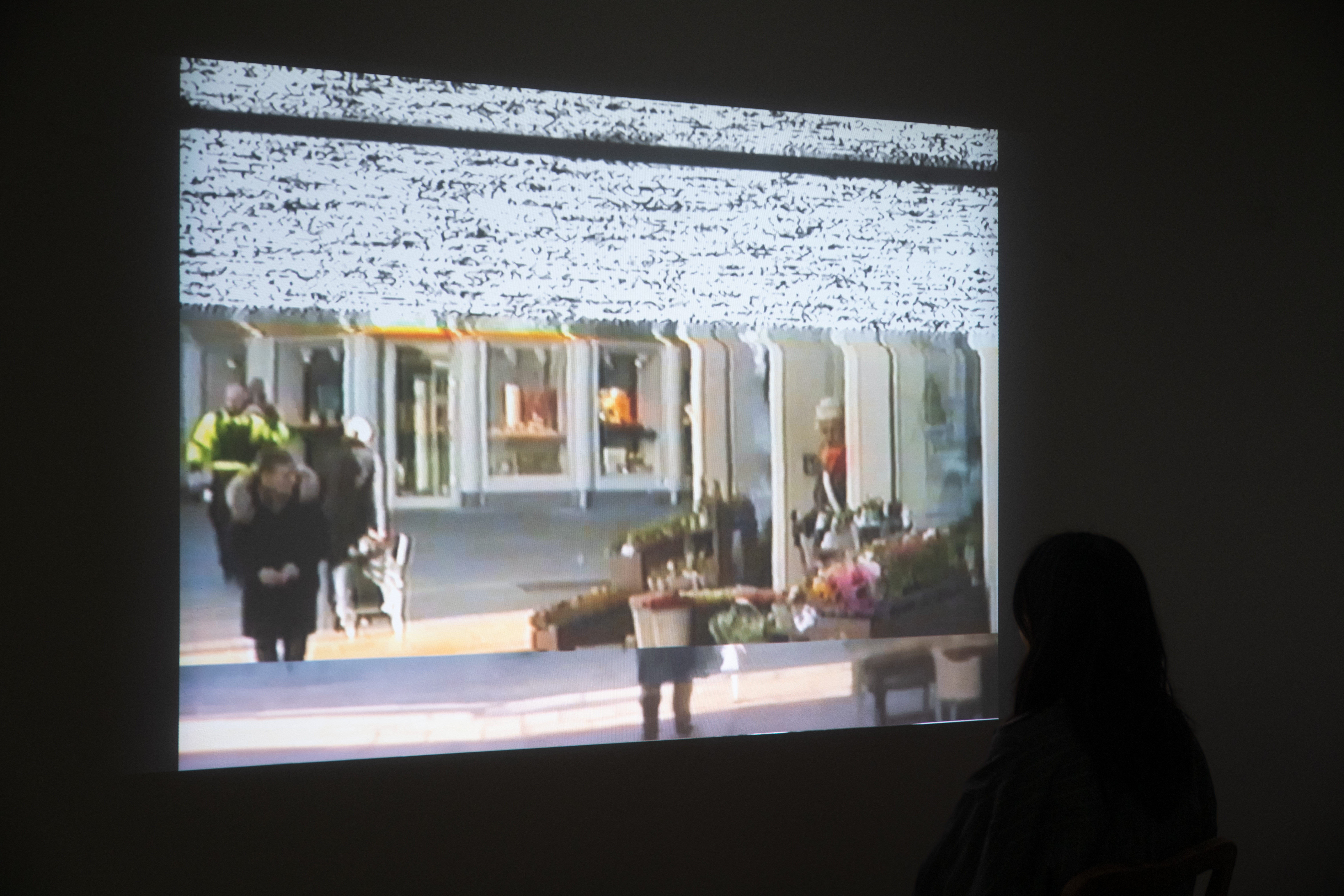
Memory Decay, 2025, LICHTROUTEN, Lüdenscheid(DE), Photo: Lars Gonikman
Memory Decay, 2025
2025, Vdieo
Memory Decay is an experimental video work that explores the theme of memory restoration by combining analog camcorder footage with AI-generated imagery. In today’s society, where debates about how far AI can replace human roles are widespread, this project began with the question: Can AI truly replace even the most personal of human memories? What particularly caught my attention was the nature of everyday memories.
Daily life, because it is so repetitive, is easily forgotten. Yet, ironically, when people recall their happiest moments, they often name ordinary, uneventful days. These fragile yet deeply nostalgic everyday memories resemble the damaged footage of a VHS tape. Focusing on this connection, I experimented with the process of restoring such fragmented memories using AI. Ultimately, through the reconstructed footage, the project invites viewers to reflect on the meaning of memory and the potential—and limitations—of AI as a replacement for human experience. In a modern world where the old gradually fades and the new is celebrated, this work aims to break down the boundaries between outdated media and cutting-edge technology, showing how the two can coexist as one.
Memory Decay, 2025, LICHTROUTEN, Lüdenscheid(DE), Photo: Lars Gonikman
The concept of “everyday life” is highly abstract and deeply personal. Since each person’s way of living is distinct, it was impossible to define what “daily life” universally means. Therefore, the focus of this project became not only my own daily life but also the lives of people in the place where the work would eventually be exhibited. I began with moments close to me: everyday personal scenes from Bremen, where I currently live; moments shared with my closest friend; or the simple yet meaningful experience of welcoming the New Year in Hamburg. From the point when I switched tapes, the narrative expanded to include other lives: I followed the traces of everyday spaces in Lüdenscheid, where the exhibition was planned, experiencing the local weekend markets, streets, and landmarks—places deeply familiar to the people there. Through this development, I hoped that when viewers encountered the restored scenes, they would be prompted to reflect on the memories within their own daily lives.
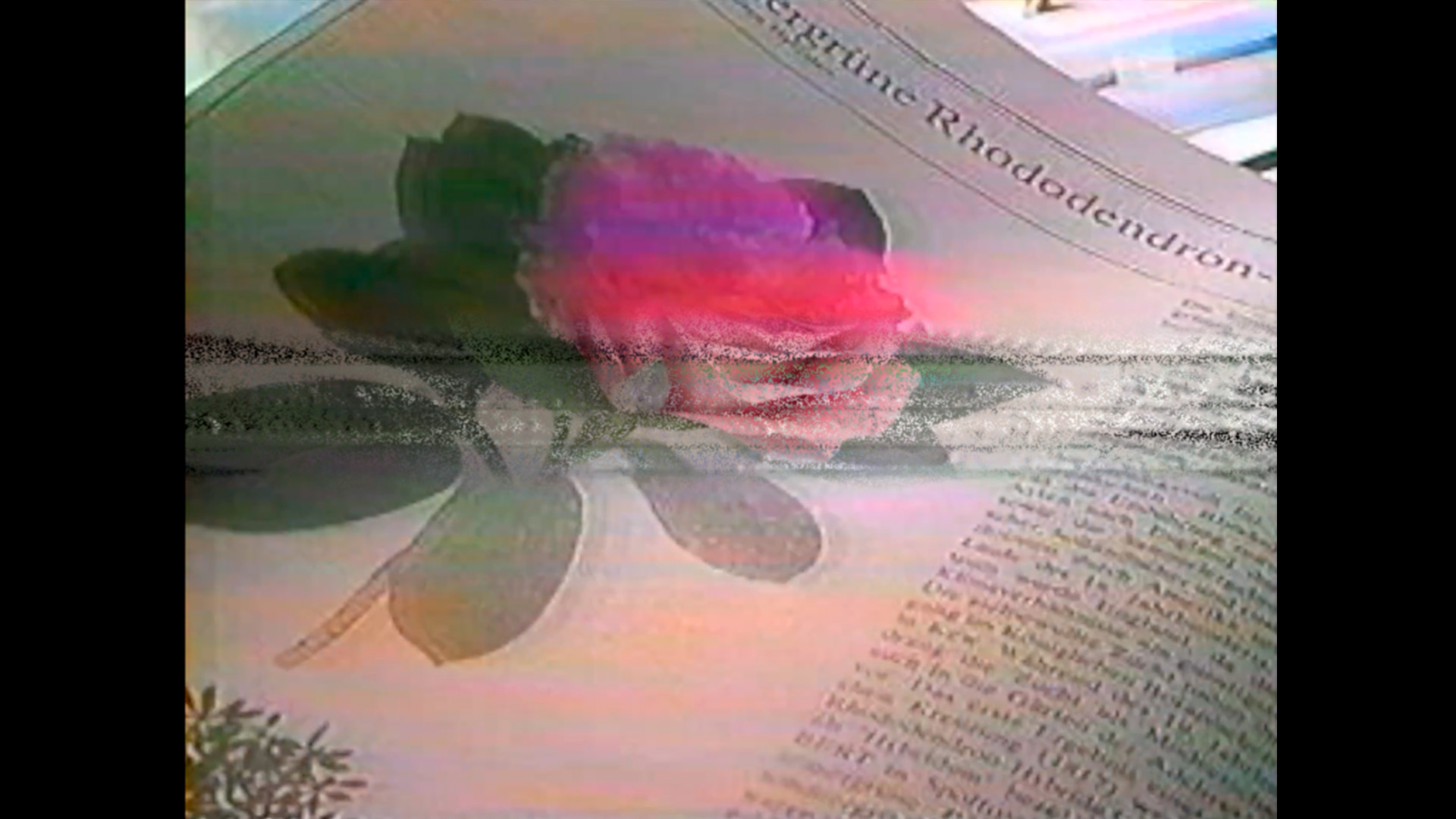
Memory Decay, 2025, Video Still
The process began by recording daily life with an analog camcorder, then deliberately damaging the VHS tapes holding the footage. Crucially, I did not use digital effects or post-production filters to simulate damage. Instead, I physically damaged the tapes, as I wanted to directly recreate the natural fading and decay of memories over time. For someone of my generation, an analog camcorder is already a somewhat unfamiliar device, so I experimented with various methods to create authentic damage. One of the most striking techniques involved repeatedly baking the VHS tapes in an oven and then cooling them in a refrigerator. This yielded impressive results, with a wide range of distortions and noise appearing in the footage. Other experiments included scratching the tape surface with magnets or nails and coloring over it with markers.
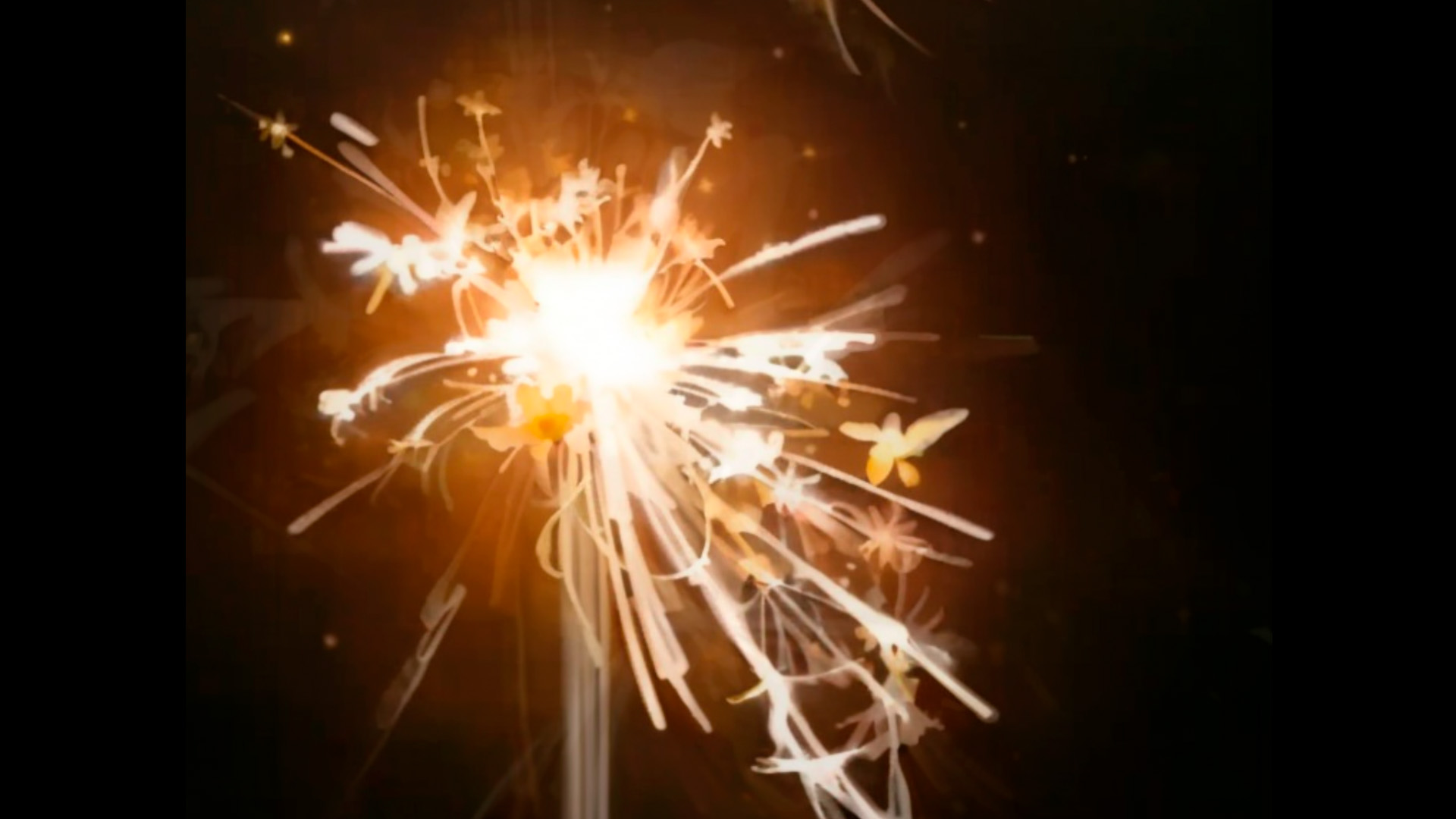
Memory Decay, 2025, Video Still
The damaged footage was then processed through an AI system. Using the Inpainting function in Stable Diffusion, I extracted the damaged portions, restored the images frame by frame, and recompiled them into video format. The most critical aspect of the AI restoration process was writing the prompts. To recreate the original scenes, I relied on my own memory, describing not just the visible details but also the atmosphere and emotions I had felt. As a result, the restored images sometimes produced fantastical or dreamlike moods that slightly diverged from reality. Deciding how much to control these elements—and how to blend them with the original footage—became a central artistic challenge in the project.
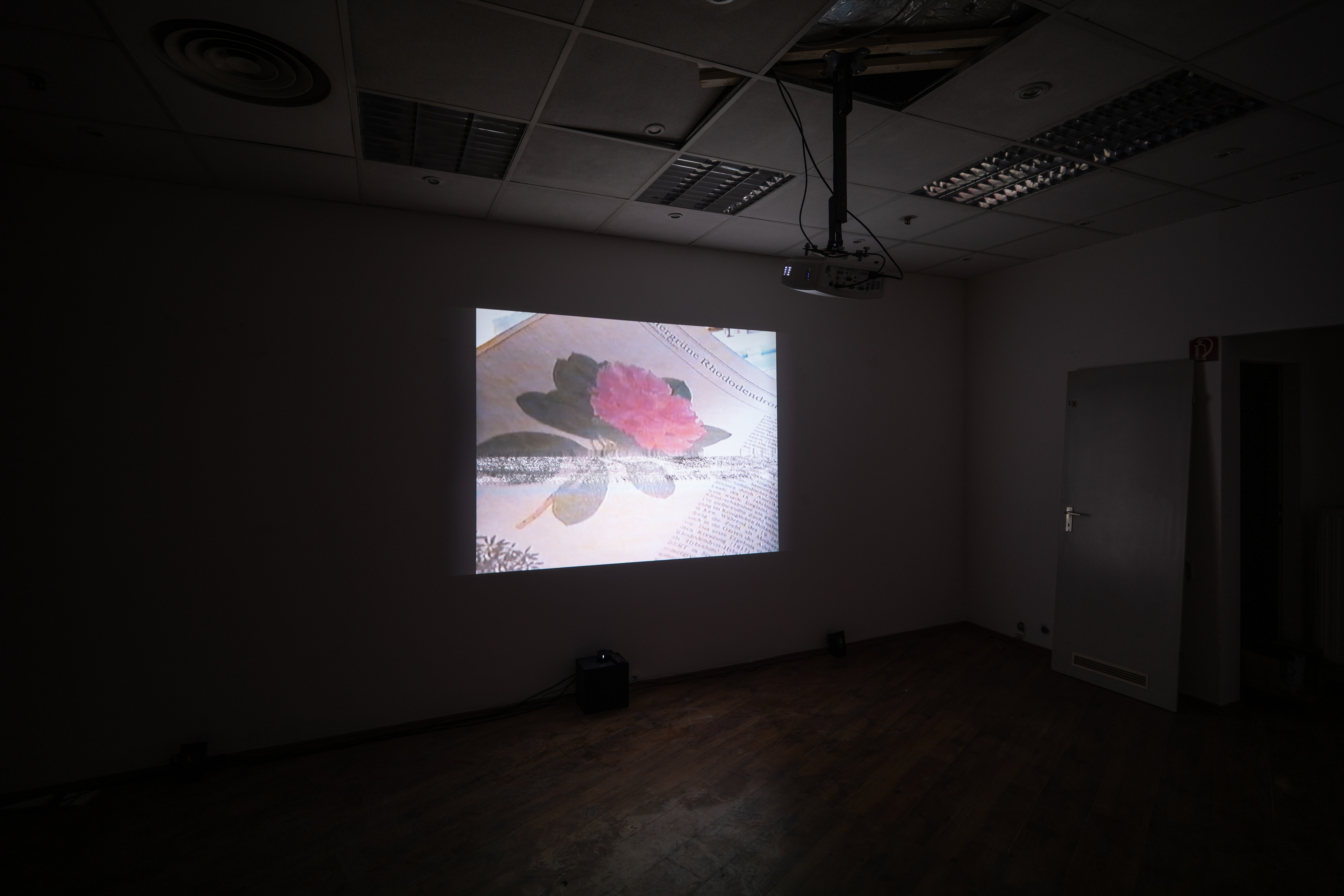
Memory Decay, 2025, LICHTROUTEN, Lüdenscheid(DE), Photo: Lars Gonikman
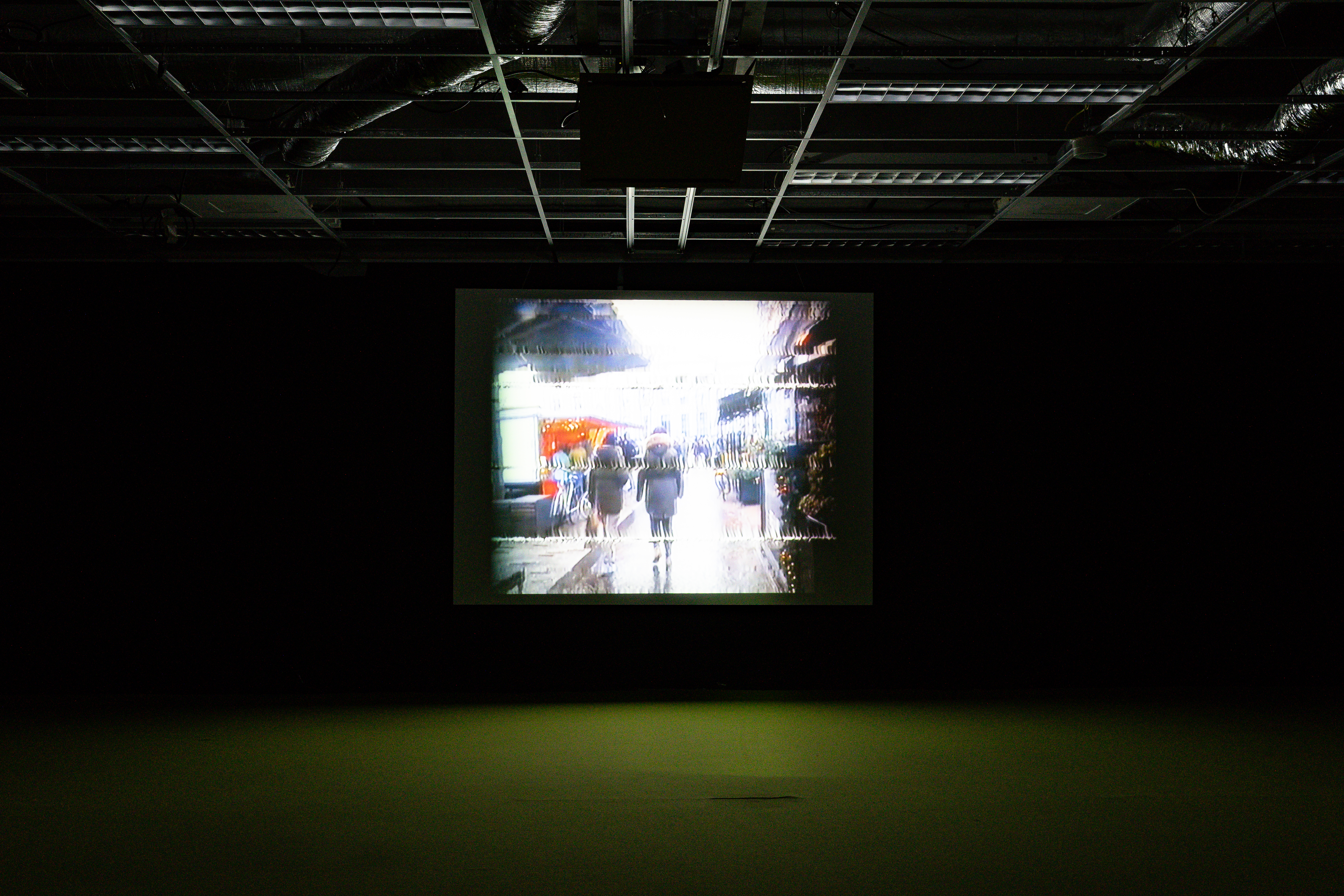
Memory Decay, 2026, LUNA Media Art Festival, Leeuwarden(NL), Photo: Natalia Balanina
Memory Decay, 2025, LICHTROUTEN, Lüdenscheid(DE), 2025, Video: Kuno Seltmann
The final reconstructed scenes were integrated into a cohesive video, enriched by recorded sounds of rewinding the analog camcorder, ejecting and reinserting the tapes—sounds that metaphorically evoke the human act of tracing back through one’s memories. Memory Decay was exhibited at LICHTROUTEN in Lüdenscheid from March 20 to 29, 2025 and LUNA Media Art Festival from 30 January to 15 February, 2026.
Developed at
University of the Arts Bremen
Academic Supervision
Prof. Dennis Paul
Nuri Ovüc